The Question
The Spiritual Meadow of John Moschus is a 7th-century collection of Greek stories gathered from men and women who chose to leave civilization behind. A motley crew of secluded hermits and radical communitarians, these so-called desert fathers and mothers searched for spiritual enlightenment by living in extreme environments: on mountaintops, in windowless cells, on top of pillars, and in caves with animals. Their tales are vivid and often strange, full of miracles, violence, and tenderness, set across a Mediterranean world that is poorly documented. The Meadow has never received serious scholarly attention, but has long been recognized as significant for recording the lived experiences of monastic Christianity, the linguistic changes of Byzantine Greek, and the complicated relationship between literary culture and sub-literary storytelling. To facilitate these lines of inquiry, several pieces of groundwork need to happen. There is no clean digital edition of the Greek text. No one has mapped where the stories take place. No one has analyzed the networks of meaning that emerge by considering the totality of the text. Dr. Sanders' question: what does this text reveal when you can finally read it as a collection, and not just one chapter at a time?
What Students Build
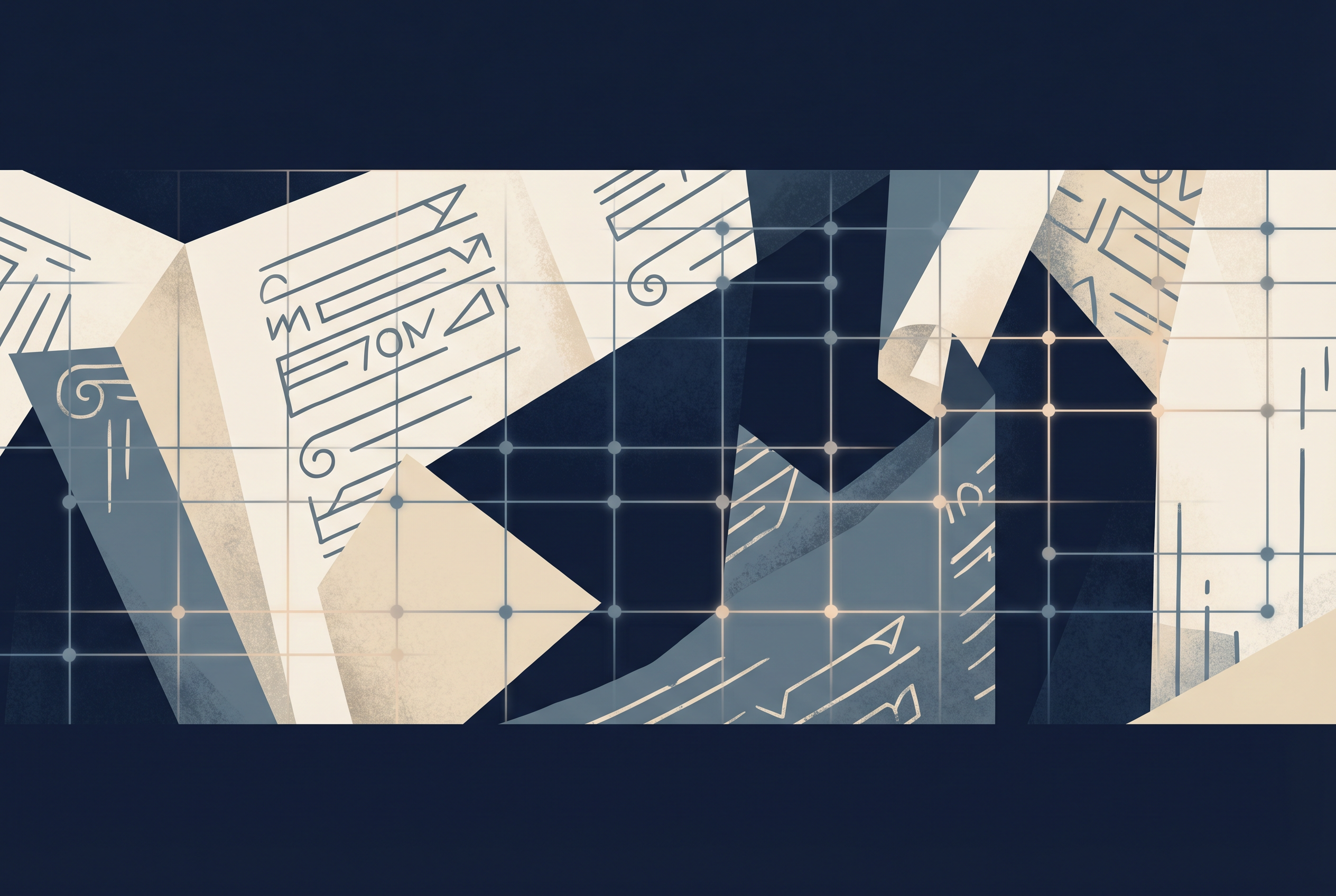
Over five weeks, students take scanned pages of the Spiritual Meadow and produce three things that did not exist before. First, a clean, machine-readable version of the Greek text, built using digital humanities methods in combination with AI tools that can read scanned pages of Ancient Greek; this process is then carefully edited by the student. Second, a list of every saint, place name, and figure mentioned across the stories will be extracted from the cleaned text and matched against a major database of ancient world geography. This work will produce a working map showing where in the ancient world these stories take place, while also tagging them with attributes for more granular categorization. Finally, students will use these maps in combination with digital humanities methods to analyze the collection as a whole, thinking critically about the relationship between traditional close reading of individual stories (seeing the trees, as it were) alongside the patterns that emerge with a machine-assisted, bird's-eye perspective of the whole text.
The deliverables would generate interest in several humanistic disciplines (Classics, Byzantine Studies, history of religion) and hold significant promise for future study. Dr. Sanders has identified scholarly venues where this kind of work belongs, including digital humanities workshops at major academic conferences.
The Mentors
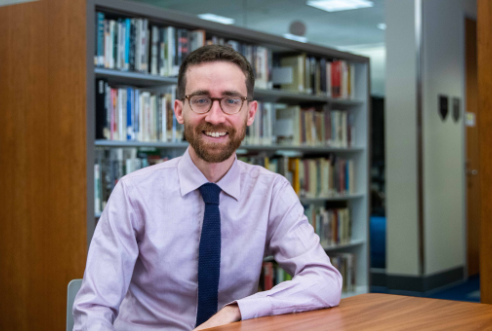
Dr. Kyle Sanders is a classicist who works on how ancient texts create relationships with the non-human world. He wrote a dissertation on how Greek riddling practices are embedded in poems composed for ancient athletes. His interest in the Spiritual Meadow has been kindled by teaching it for several years to intermediate Greek students at the secondary and university level.
Who This Is For
Reading knowledge of Ancient Greek is required. Students need to be able to look at a sentence and tell whether it makes sense as Greek. Comfort with Python — basic scripting, running tools — is helpful but not strictly required. The Academy mentor will scaffold the engineering side. Students who care about the humanities, who like puzzles where the answer isn't yet known, and who are willing to spend a summer with a text most of their friends have never heard of will thrive here. Students looking for fast feedback loops will struggle. This is patient work.
Logistics
Five weeks. July 6 to August 7, 2026. Mondays, Wednesdays, and Fridays, 1:00 PM to 2:15 PM ET. Friday sessions run 1:00 PM to 3:00 PM ET to accommodate Demo Day. Cohorts of 3 to 4 students per mentor. $4,500. Apply by June 16, 2026 at 11:59 PM.
Project Labs require a minimum of two students to run. If your student is the only applicant in a given lab, we will reach out before the program begins with three options: upgrading to a 1-on-1 mentorship, transferring to another active Project Lab, or a full refund.
Beyond the live sessions, students work on their own, and they are not alone when they do. The lab is supported by a 24/7 Slack channel and a team of scholars and practitioners at the Academy. Students also work alongside SeqHub's AI co-teacher, which helps them think through problems on off days without doing the work for them. Plan for 10 to 12 hours per week, with 4.5 hours in live sessions and the rest on independent work.
Applications close June 16