Summer 2026 · Discovery & Project Labs

Where deep expertise meets powerful tools.

Summer 2026. Discovery is a three-week introduction for students new to building with AI. Project Labs are five-week intensives where students contribute to research and engineering alongside practitioners in the field.

SeqHub AI Academy was founded by educators who are also active AI practitioners and researchers. People who build AI applications, evaluate AI systems, and know both what these tools can do and where they break. They also know how students learn. That combination is rare. The Academy exists because of it.

The premise is straightforward. The most interesting problems sit at the intersection of deep expertise and powerful tools, and motivated students belong at that intersection, before anyone has told them what they cannot do.

Three Programs

Discovery

3 weeks · 6 to 8 students
$2,500

The entry point for students new to building with AI. Three weeks of hands-on projects, with a focus on developing the judgment to use AI tools well and the curiosity to look inside the black box. Open to grades 7 through 12.

Apply & Enroll

Project Lab

5 weeks · 3 to 4 students per mentor
$4,500

For students with programming experience ready to do real work. Each lab is led by a practitioner working on the problem in their actual career. Students contribute to research, build production-quality components, and present at Demo Day.

Apply Now

1-on-1 Mentorship

5 weeks
$6,000

For motivated students with a defined project of their own. We pair the student with a mentor matched to their interest and build a custom track around their work. Best for capstones, research projects, or ideas a student wants to take seriously.

Apply for 1-on-1

Meet Your Mentors

JB

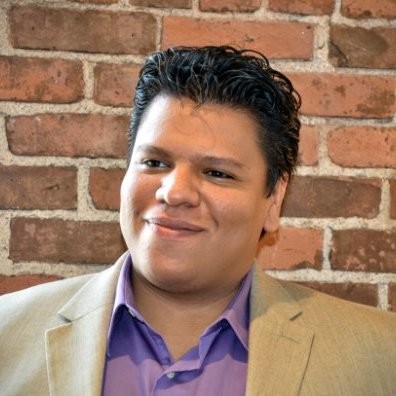
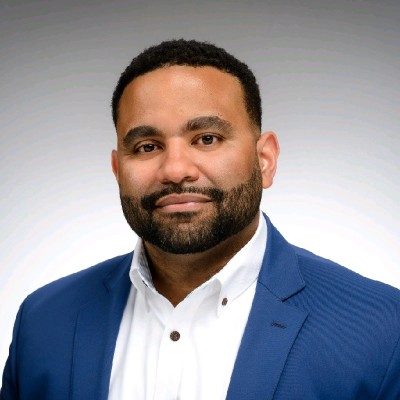
Julio Bernard

Discovery Program Lead
"AI is a tool, not a magic trick. Real learning begins the moment students realize they have to provide clear context, clean data, and specific goals to get anything useful out of it."

Julio Bernard leads the engineering team building SeqHub's AI co-teacher, the technology that powers every program at the Academy. He is a software developer and educator who has spent his career making coding accessible — through A100, the program he ran to help aspiring developers build skills, confidence, and industry experience, and through years of teaching computer science to younger students. This summer he is leading Discovery, the entry point for students new to building with AI. His goal is not to teach students to use AI quickly. It is to give them a developer's understanding of what AI actually is, and a developer's culture: collaborative, skeptical, and built on the conviction that no one builds anything meaningful alone.

AJ

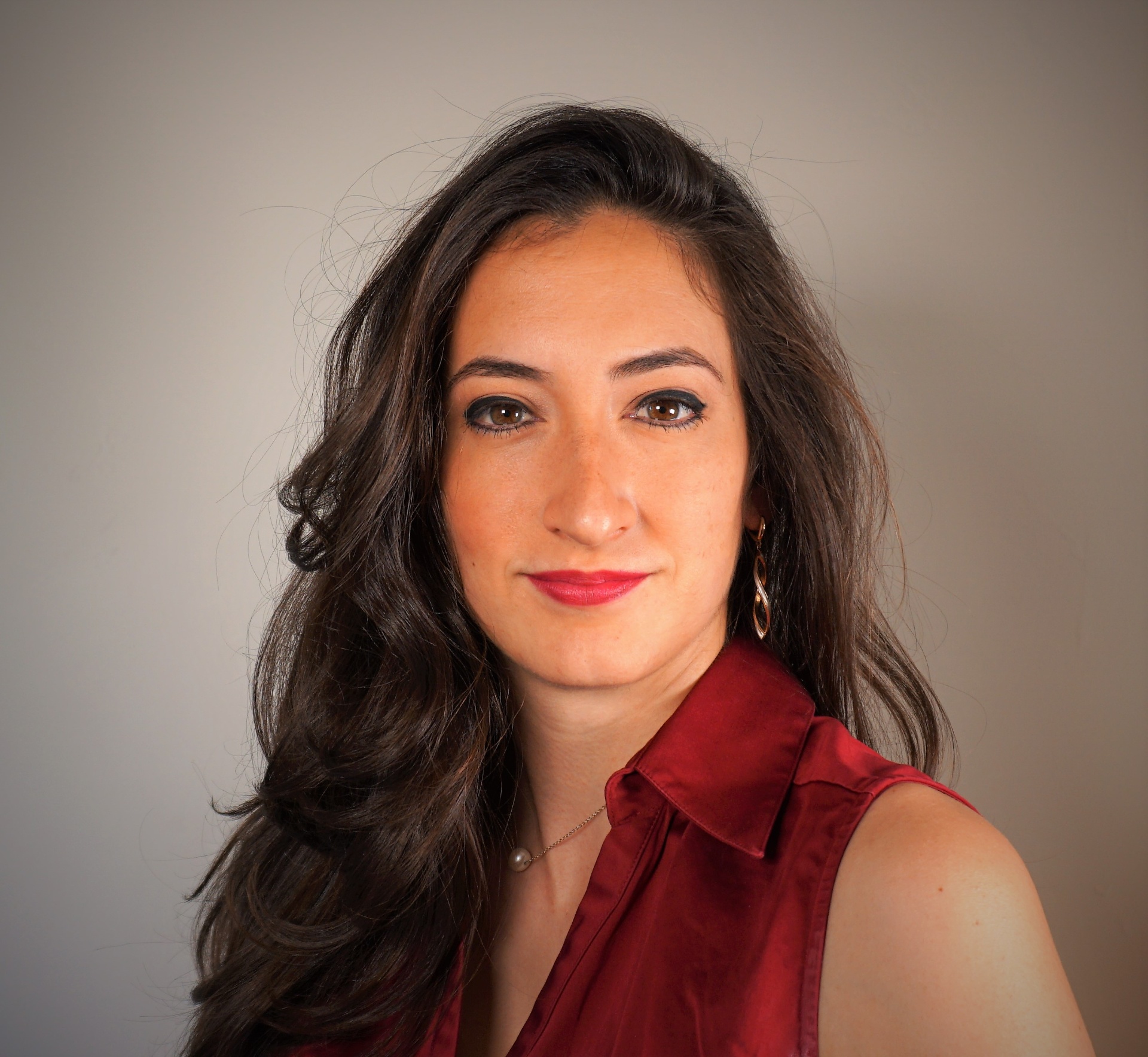
Adejumobi Joshua

AI Evaluation · Project Lab
"Does the model mean what it says, or has it just learned to look like it does?"

Adejumobi Joshua leads SeqHub AI Research, contributing to the field of AI evaluation: how large language models behave with respect to bias, sycophancy, safety, and alignment. Last summer her students presented at the Women in Machine Learning workshop at NeurIPS. This summer she is inviting students into two live investigations: whether what a language model outputs corresponds to what it actually represents internally, and whether prompting alone can reduce bias in language models, or whether models are simply performing compliance because they sense they are being evaluated. Real research questions, with results that could go either way.

KS

Dr. Kyle Sanders

Digital Humanities · Project Lab
"AI is the newest instrument in that old cause."

Dr. Kyle Sanders is a classicist who works on the strange, underexamined ancient texts that reveal what more famous ones do not. He has spent his career trying to make them accessible to anyone curious enough to read them. This summer that work meets a new tool: his students will take the Spiritual Meadow, a 7th-century Greek collection of stories about desert monks, and use AI to turn scanned pages into machine-readable text, extract the saints and places named across its stories, and map where in the ancient world these monastic encounters took place.

TB

Taylor Beck

Neuroscience & AI · Project Lab
"We will not see genuinely human-like artificial intelligence until we can build one that loses its mind."

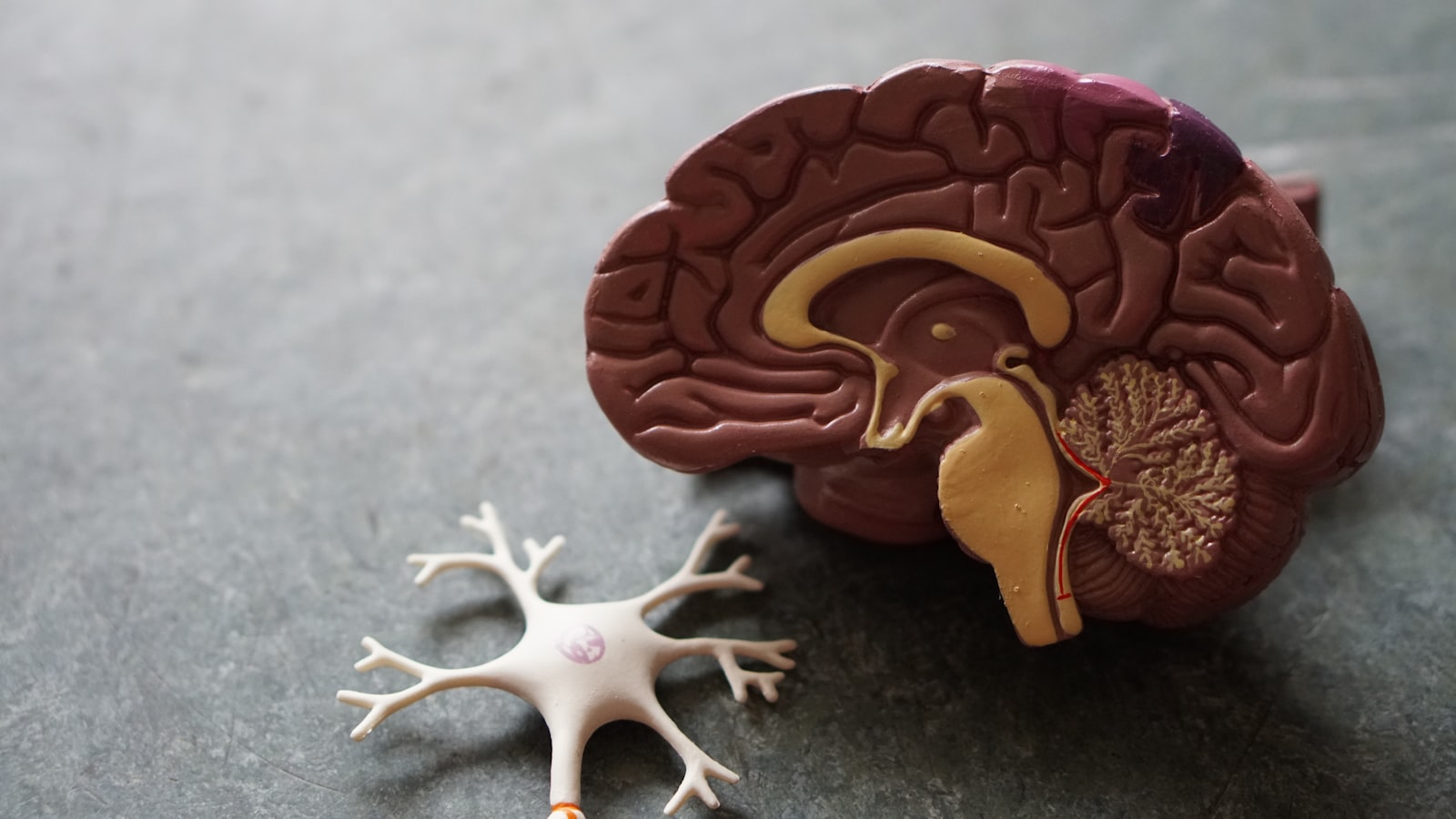
Taylor Beck came to neuroscience through Faulkner, Virginia Woolf, and TS Eliot, drawn by the question of what it actually feels like to have a mind. That question carried him from Princeton through research labs in Kyoto and Washington, studying memory, decoding dreams, and mapping how the brain represents experience. He is productively skeptical of what AI claims to be. This summer his students will work with open source fMRI brain datasets to ask one of the most interesting questions in the field right now: how similar is the geometry of representation in the human brain to the geometry of representation inside a language model, and what does the answer tell us about both?

AM

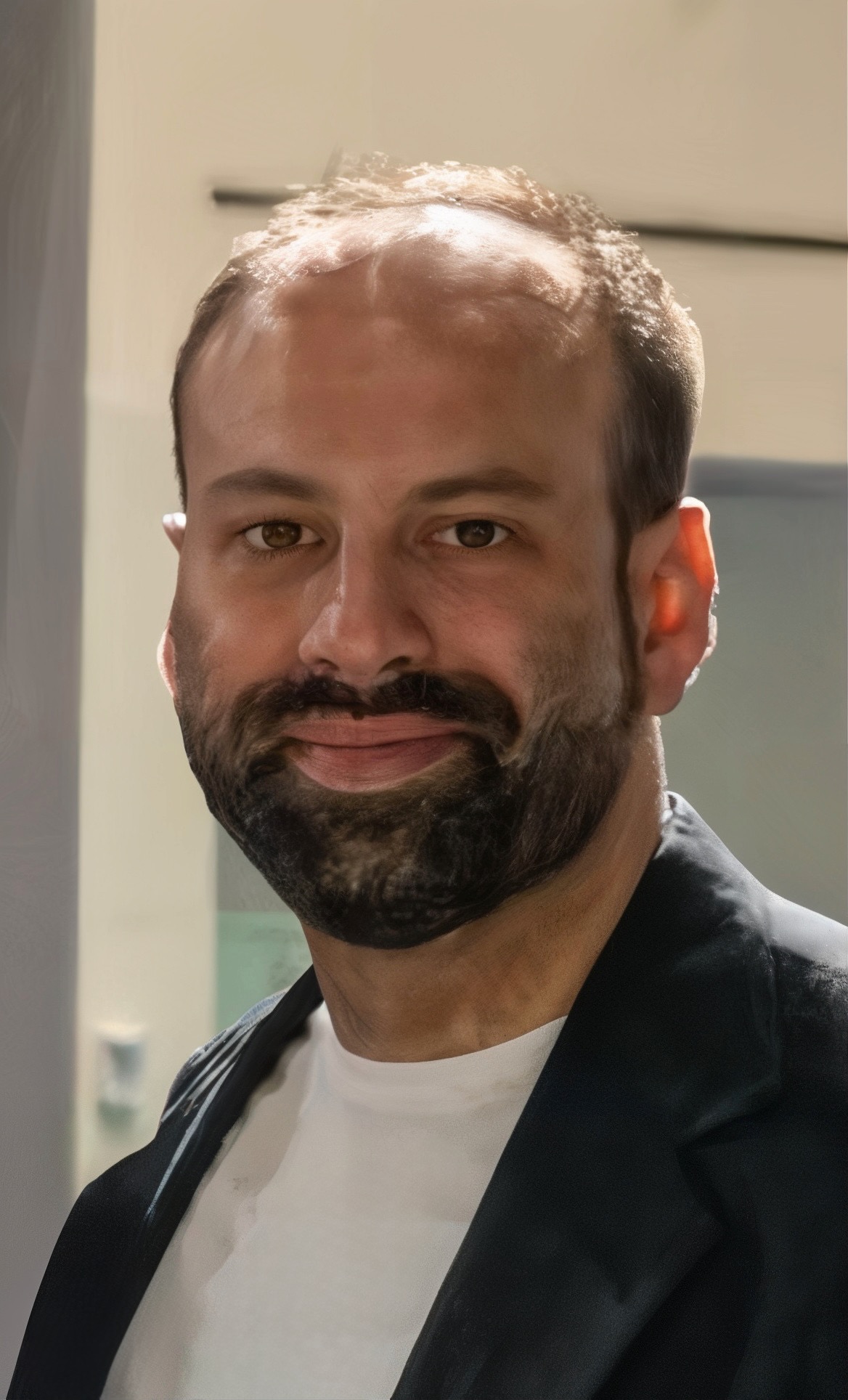
Dr. Andre Martin

Audio Intelligence · Project Lab
"Terabytes of audio recordings going back to 2005, waiting for a pipeline that can make them searchable and analytically useful."

Dr. Andre Martin (Dr. Dre to his students) is an assistant professor at Notre Dame's Mendoza College of Business. He spent fifteen years at Xerox and in defense contracting before a PhD in marketing opened a different question: what can AI reveal about human behavior, language, and persuasion in real business contexts? This summer his students will build the pipeline that powers his ongoing research, processing earnings call audio at scale to surface signals that human listeners would miss. The work is real. The data is real. The pipeline they build will be used.

JS

Dr. Jessica Sandoval

Ocean Engineering & AI · Project Lab
"The deep ocean is stranger and more alive than they imagined."

Dr. Jessica Sandoval is an ocean engineer who designs deep-sea remotely operated vehicles and tagged sperm whales as a Harvard postdoc on Project CETI, the effort to build a Rosetta Stone for whale communication. She has turned her attention to making deep-sea technology accessible beyond the research vessel and the PhD. This summer her students will use AI to do what graduate students have spent entire careers doing one frame at a time: process underwater video footage to ask what lives in the deep, in what abundance, and how that is changing.

Schedule

Discovery and Project Labs both run Mondays, Wednesdays, and Fridays, 11:00 AM to 12:15 PM ET. Friday sessions extend to 1:00 PM for Demo Days at the end of each program. Asynchronous work is expected on off days. 1-on-1 schedules are arranged to fit the student.

Apply by May 11, 2026

Cohorts are small. Project Lab seats are limited to 3 to 4 per mentor. Applications are reviewed on a rolling basis. Book a call to learn more or to discuss whether SeqHub is a fit for your student.

Beyond the live sessions, students work on their own, and they are not alone when they do. Every Project Lab is supported by a 24/7 Slack channel and a team of scholars and practitioners at the Academy. Students also work alongside SeqHub's AI co-teacher, which helps them think through problems on off days without doing the work for them. Project Lab students should plan for 10 to 12 hours per week, with 4.5 hours in live sessions and the rest on independent work. Discovery students should plan for 8 to 10 hours per week, with 4.5 hours in live sessions.

Ready to build real things?

What holds all of this together is not a curriculum. It is a conviction, shared by the founders and carried by every mentor, that students given real problems, real data, and the right guidance will produce real things. Not approximations. Work that exists in the world and continues beyond the summer.